



MAGIC OF WALPURGIS NIGHT
The History of the May Dance and the Driving Out of Winter
I. Nuremberg's Golden Age
A dance in the alleys of the old town
II. The Legend of Walpurgis Night
Witches, rogues, and the moonlight
III. The Dance to Drive Out Winter
Fire, noise, and spring awakening
I. Nuremberg's Golden Age
In the winding alleys of Nuremberg, where the old walls whisper their stories and the shadows of the past still seem to dance, our May Dance finds its perfect setting. When we gather in the Kulturscheune of the Altstadtfreunde, we immerse ourselves in the golden age of Nuremberg – an era in which rich patricians, skilled craftsmen, and cosmopolitan merchants shaped the image of the Free Imperial City.
Dressed in historical garments, I will whisk you away as your dancing master on a journey into the magnificent courts of princes and kings. It is a feast for the senses and the soul alike. At the same time, with this ball, we honor not only history but also those who preserve it: A portion of the proceeds from this night traditionally goes to the Altstadtfreunde Nürnberg e.V. to support their admirable commitment to the preservation and reconstruction of Nuremberg's architectural monuments.
II. The Legend of Walpurgis Night
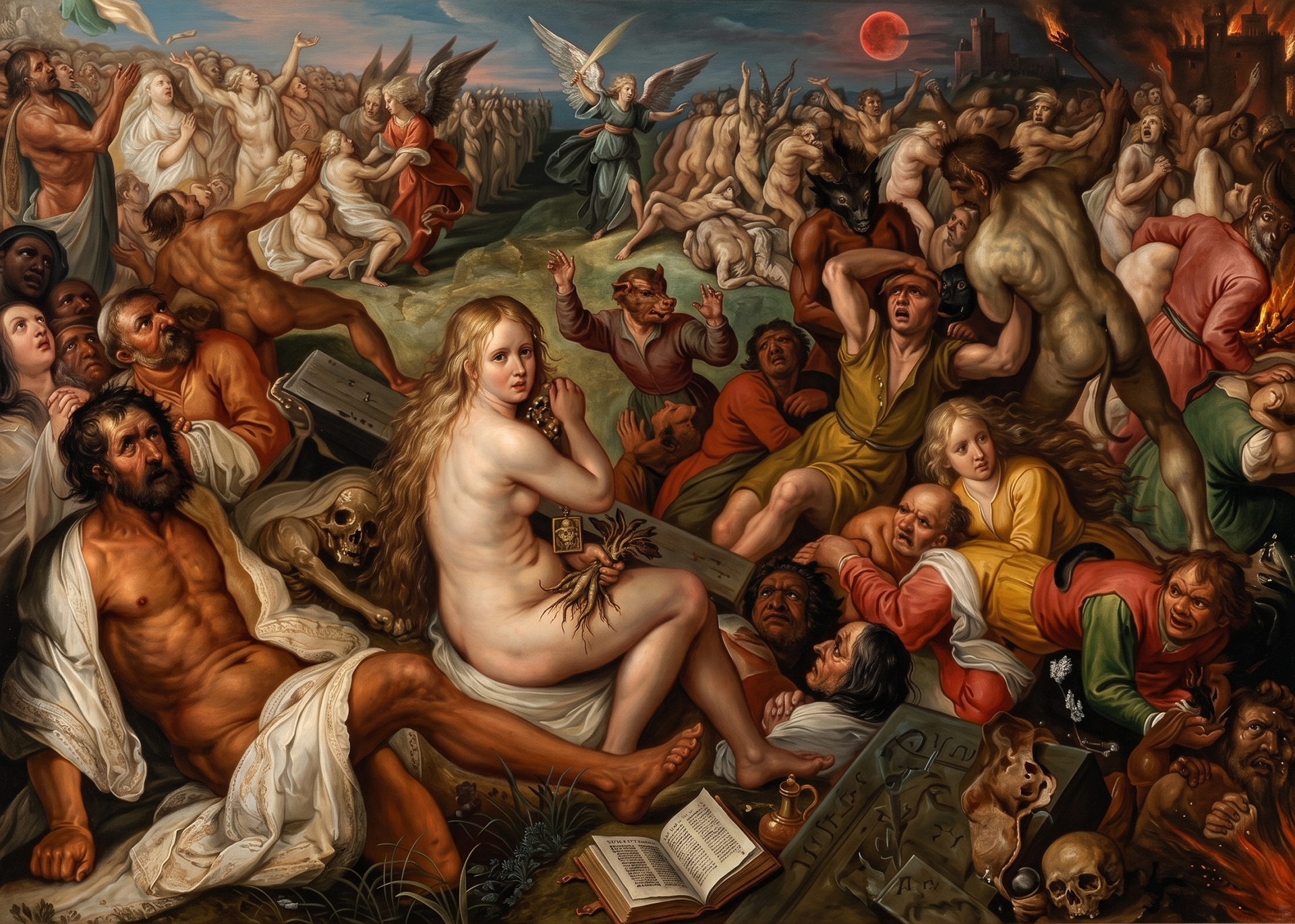
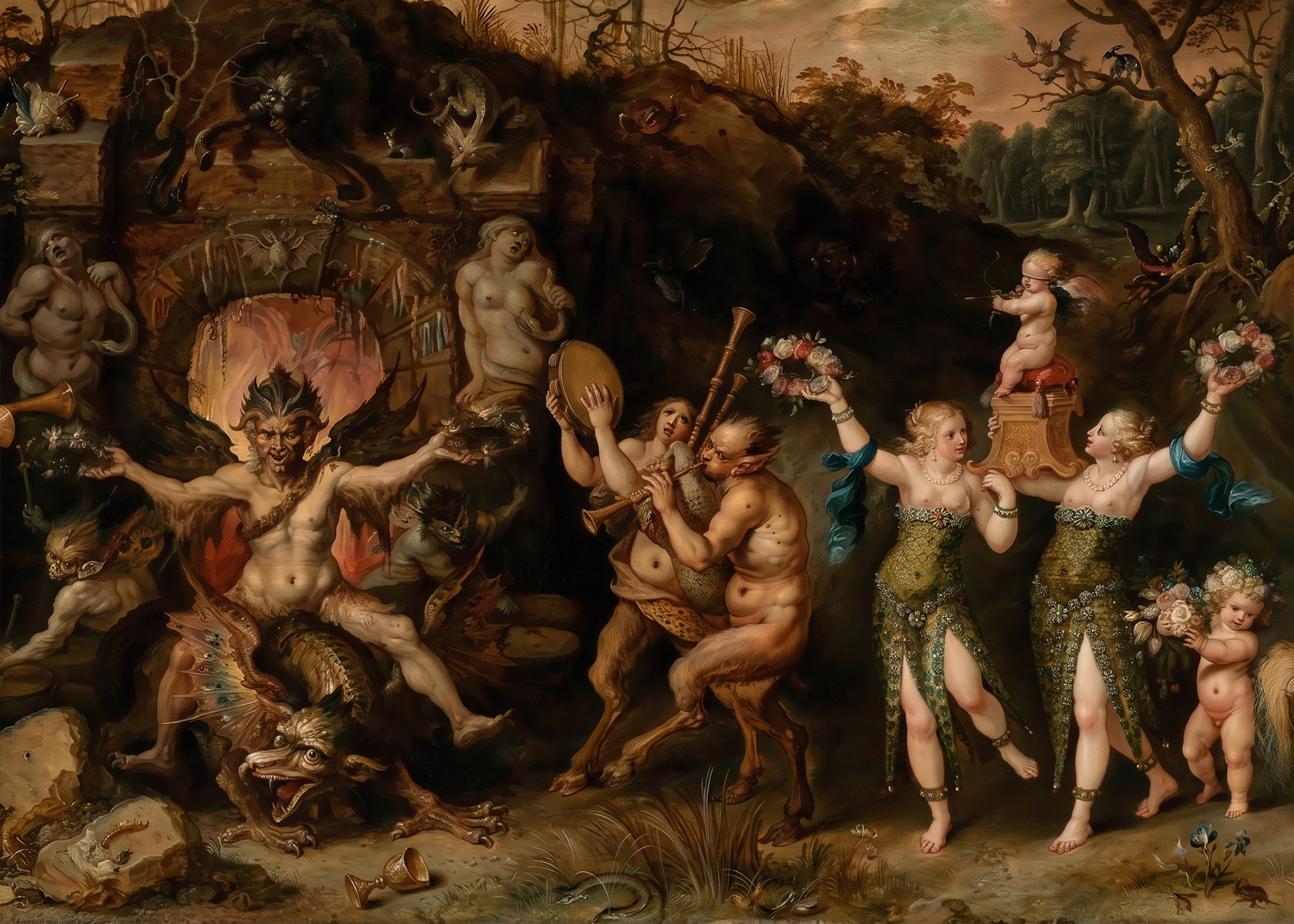
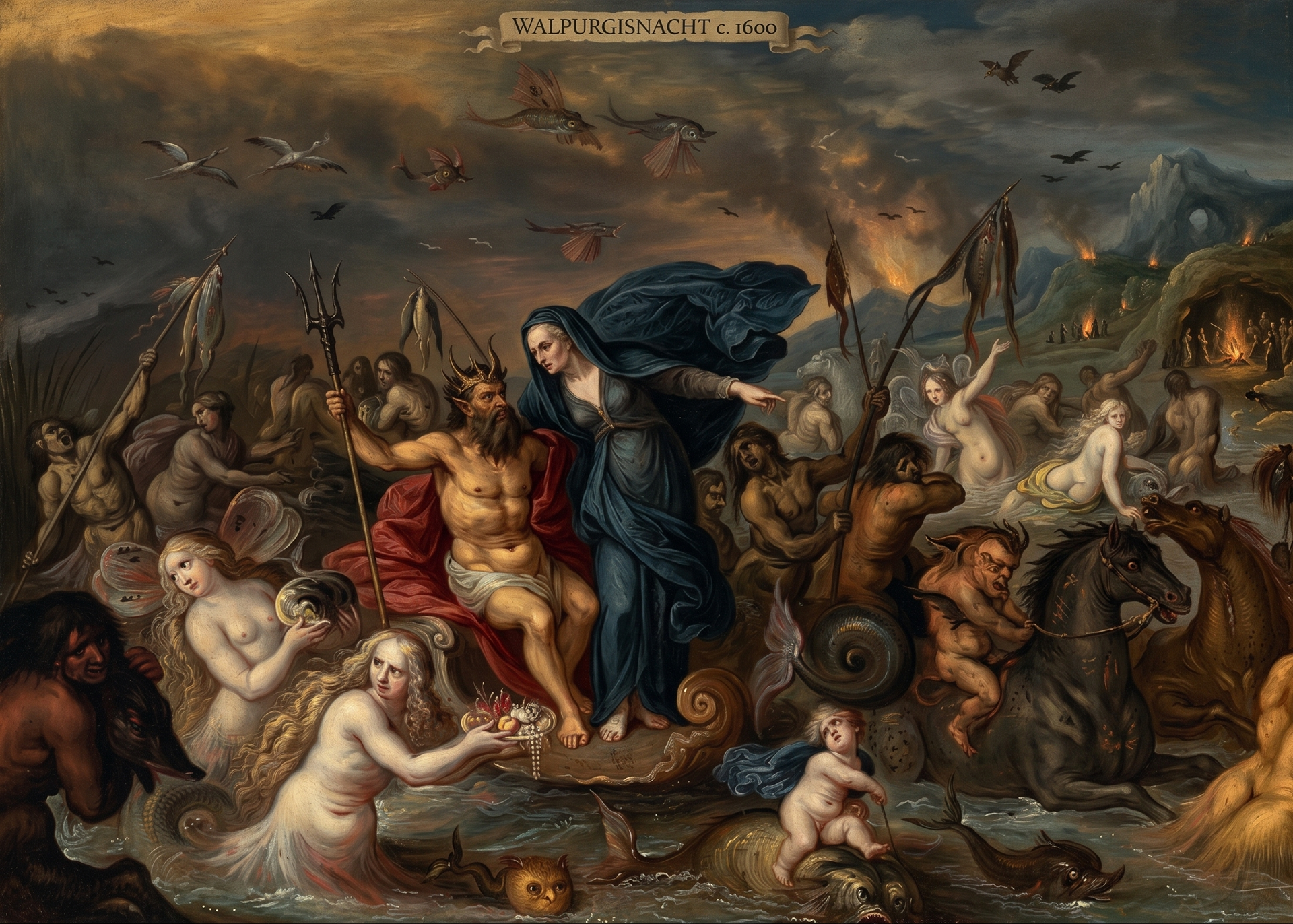
The May Dance is inseparably interwoven with the dark but also fascinating legends of Walpurgis Night. In that night from April 30th to May 1st, so it was once told, witches, demons, and rogues romp about in the pale light of the moon. Originally, the name goes back to Saint Walburga, an English abbess of the 8th century, whose memorial day was set to May 1st in the Middle Ages. Paradoxically, she was considered the patron saint against witchcraft and evil spirits.
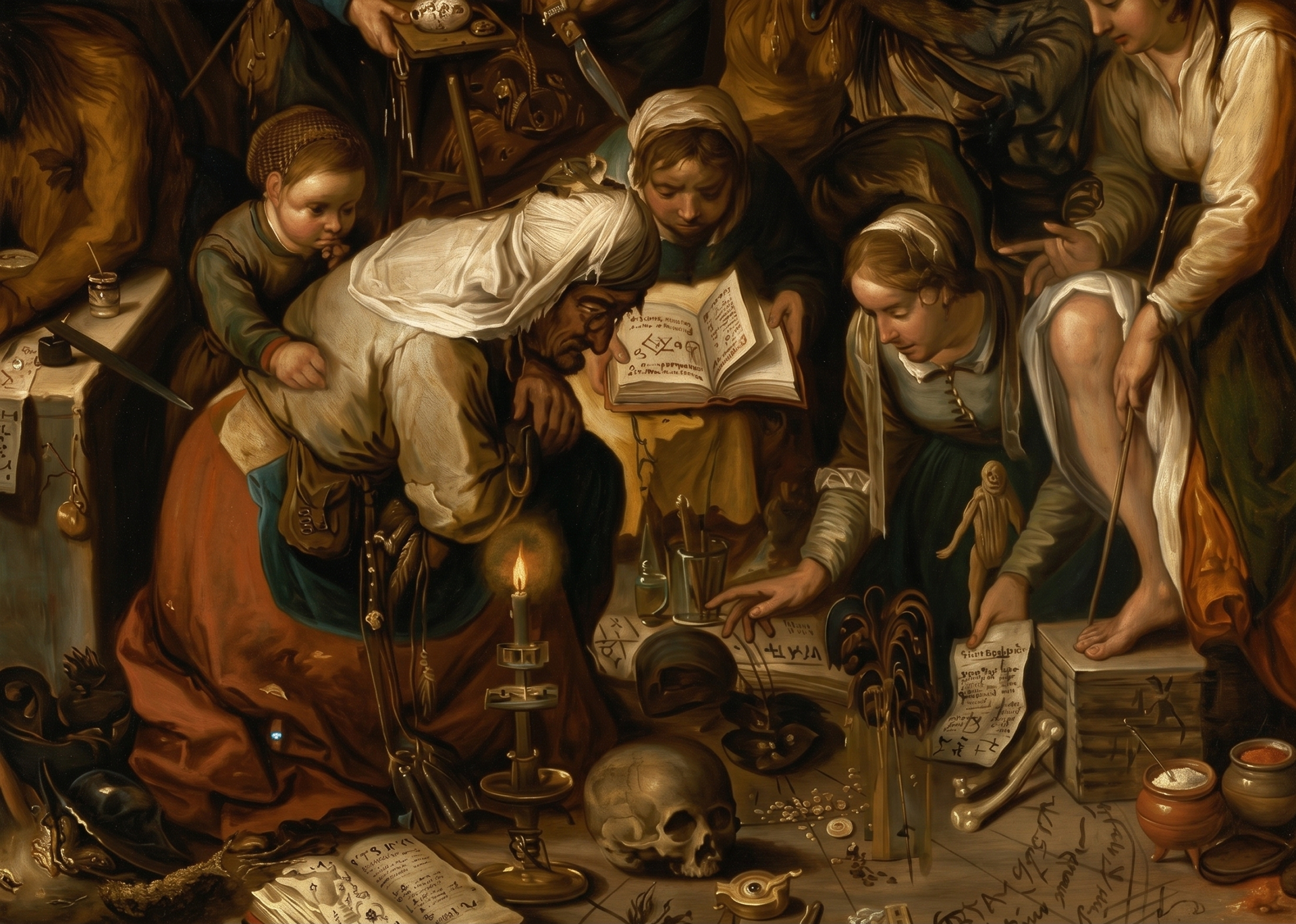
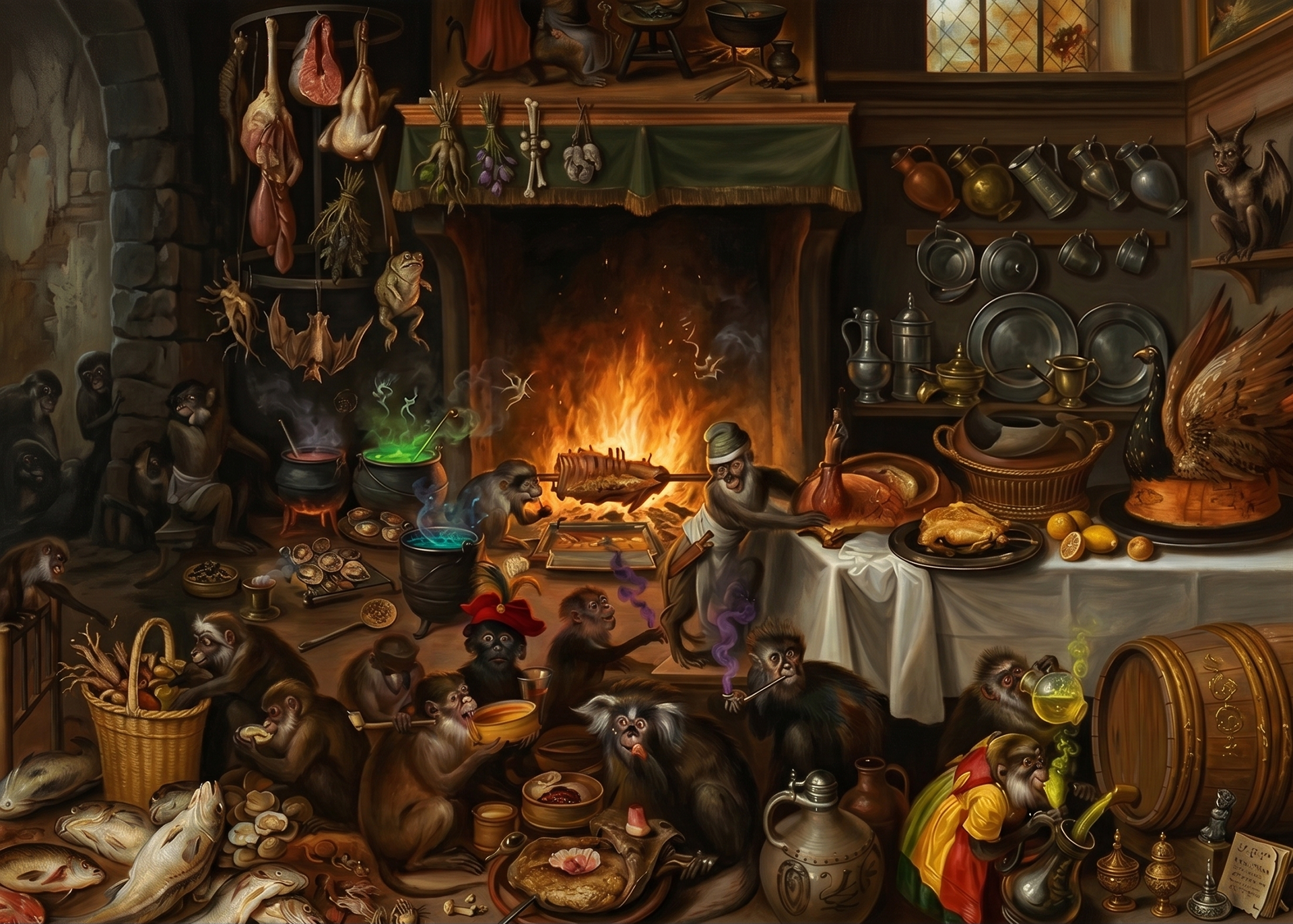
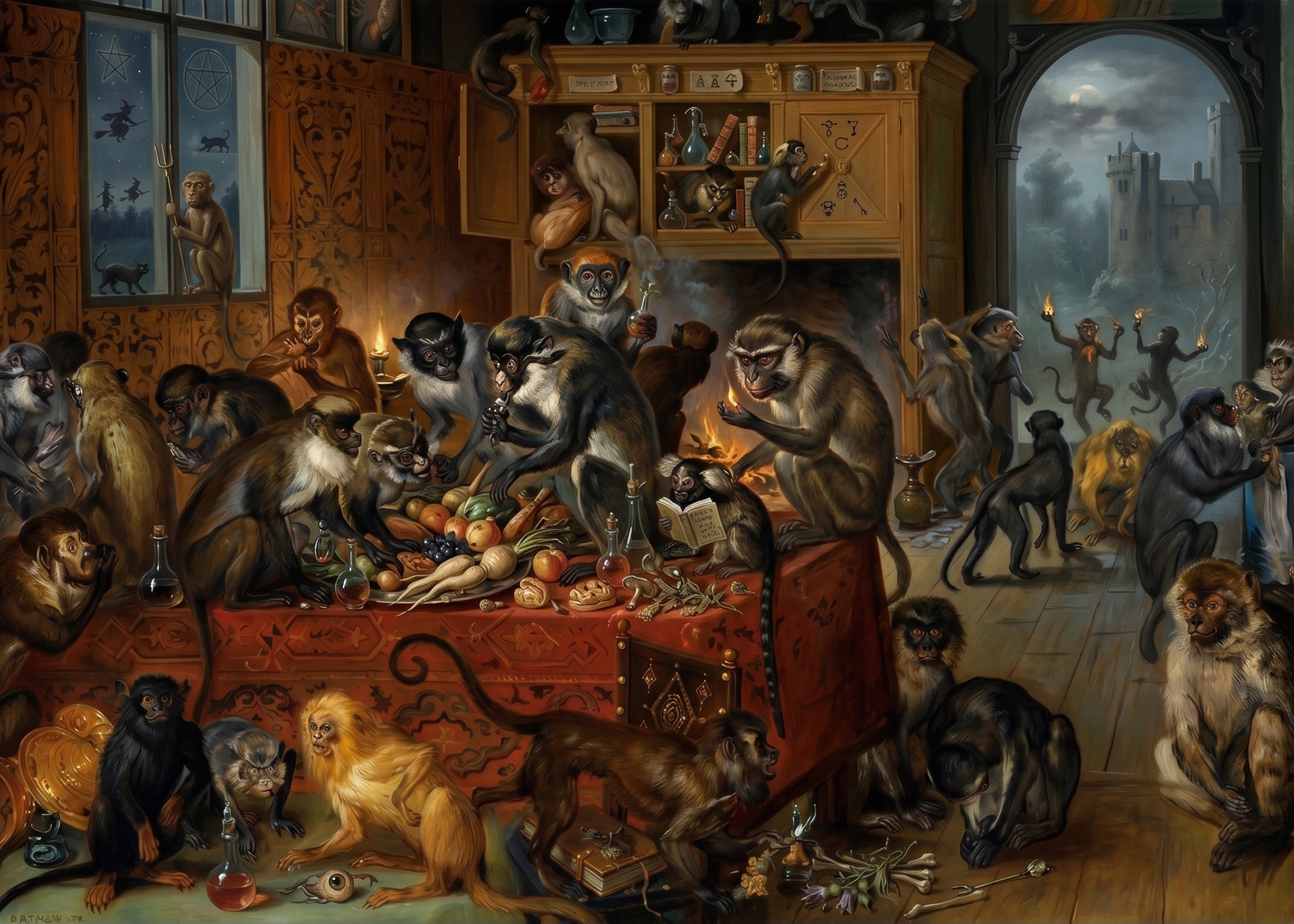
In popular imagination, however, the Christian memorial day quickly merged with deeply rooted pagan beliefs. It was believed that on this magical threshold night, witches rode through the air on brooms, pitchforks, or even animals to gather for large, wild celebrations on hills like the legendary Blocksberg (Brocken). To protect themselves from these dark forces, the rural population resorted to numerous rituals: blessed branches were placed on stable doors, whips were cracked, and blazing fires were lit. It is from exactly this eerily beautiful tradition that our May Dance draws its special, mysterious charm – we do not oppose the hustle and bustle, but rather join the boisterous round and let the turbulence of the centuries carry us across the dance floor.
III. The Dance to Drive Out Winter
Long before Walpurgis was spoken of, the time around May 1st marked one of the most important festivals of the year for the Celts and Germanic tribes: The beginning of the summer half-year. After the long, deprived, and dark months of winter, people yearned for light, warmth, and fertility. The May Dance was therefore, in its deepest origin, a loud, wild, and ecstatic ritual for 'driving out the winter'.
With blazing May fires, deafening noise from drums, bells, and the cracking of whips, they wanted to drive out the icy demons of the dark season once and for all and awaken spring, as it were. The dance around the fire, and later around the decorated Maypole, was a symbol for the eternal cycle of life and awakening nature. When we celebrate our country and circle dances from the Renaissance and the Baroque in the Kulturscheune today, we connect exactly with this ancient longing. The rapid rhythms, the shared clapping, and the joyful turns in the dance serve the same purpose as they once did: To pay homage to life, to shake off the shadows of the past, and to welcome the warming May full of joy.

